Suede Is Everywhere This Autumn — Here's How to Survive a British Winter in It
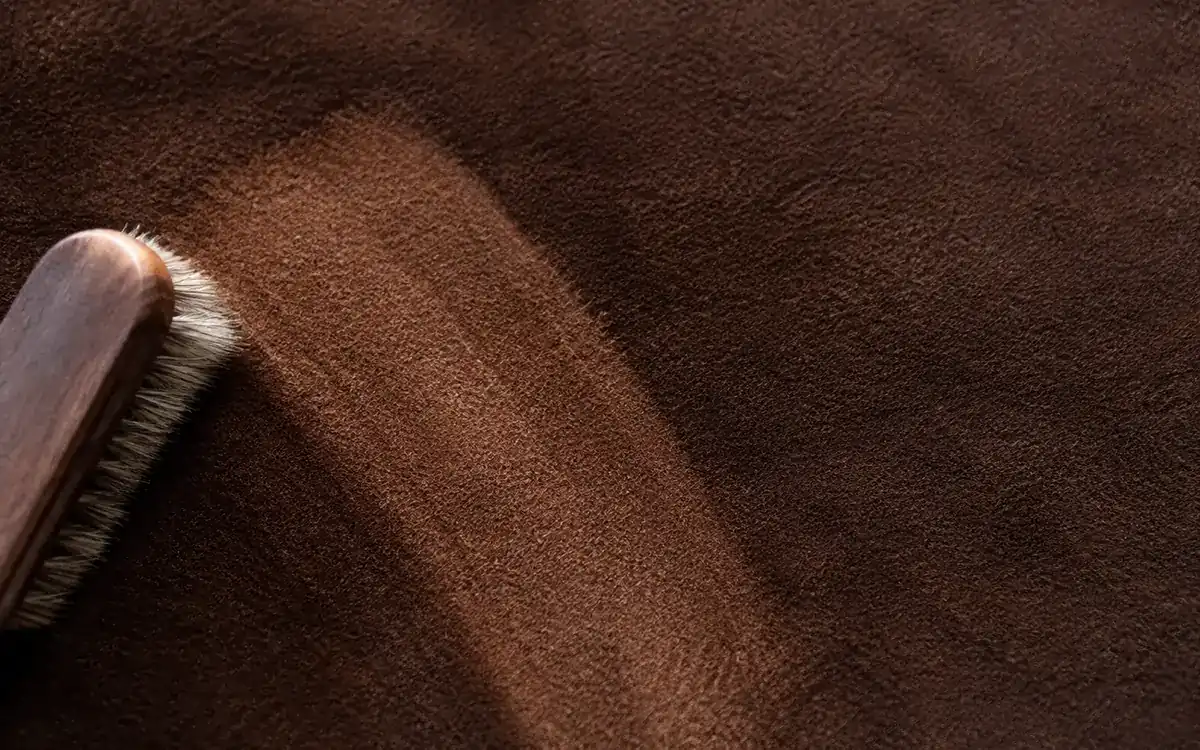
Suede is the texture of autumn 2026. It’s on blazers, bombers, boots, bags and trainers, overwhelmingly in chocolate brown, and it looks superb on a rail in a warm shop.
It is also, let’s be honest, a slightly comic material to build a British autumn wardrobe around. Suede’s defining characteristic is that it does not like water, and we live in a country where it rains roughly one day in three. That doesn’t mean don’t buy it. It means buy it with your eyes open and treat it properly, because suede that’s been looked after ages beautifully and suede that hasn’t looks ruined within a month.
What’s actually trending
The standout piece is the brown suede blazer — oversized, often collarless, in deep chocolate. It’s the shape bridging casual and smart this season, and it’s the one that has sold through fastest on the high street.
Beyond that, the shapes to look for are oversized bombers, cropped structured jackets and seventies-leaning shapes in earthy tones. The colours doing best are chocolate, camel, burgundy and olive, with sage and khaki greens coming through as an alternative to the usual tan.
In accessories, suede has spread to boots, crescent-shaped hobo bags and even trainers. A tall chocolate suede boot is arguably the single most useful piece in the whole category.
Buying suede that lasts
Not all suede is the same material, and price is an unreliable guide.
- Check the nap direction. Run your hand across the surface. Good suede changes shade cleanly and springs back. Cheap suede looks patchy and stays flattened.
- Feel the thickness. Very thin suede creases permanently at the elbows and behind the knees. A little weight is a good sign.
- Look at the seams. Suede is difficult to sew well. Puckering at the shoulder or along a boot shaft indicates a rushed make.
- Beware “suedette” and microsuede. Faux suede has improved and some of it is genuinely good — it’s often more water-resistant than the real thing. But it doesn’t develop character, and it’s worth knowing which you’re buying.
- Smell it. Real suede smells of leather. If it smells of chemicals, it’s synthetic or badly finished.
Protecting it — do this before the first wear
This is the part people skip and then regret.
Spray it before it leaves the house. A quality suede protector spray costs a few pounds and creates a water-repellent barrier. Apply it evenly, from about 20cm away, and let it dry fully. Do this before the first wear, not after the first soaking.
Reapply regularly. Every four to six weeks in winter, and after any deep clean. The coating wears off; it isn’t permanent.
Buy a suede brush. A brass or rubber-bristled brush lifts the nap and removes surface dirt. Brushing in one direction after each wear does most of the maintenance work on its own.
Keep boots on trees or stuffed. Suede holds creases permanently. Boot trees or rolled newspaper prevent the slump at the ankle that makes suede boots look tired.
When it gets wet — and it will
Don’t panic, and don’t use heat.
- Blot, don’t rub. Press a clean dry cloth against the wet area to lift the water out. Rubbing forces water into the nap.
- Stuff the item to hold its shape — paper in boots, a hanger with padded shoulders for a jacket.
- Dry at room temperature, away from radiators. Direct heat shrinks and hardens suede irreversibly. This is the single most common way people ruin it.
- Once fully dry, brush the nap back up. It will look flattened and dark while damp, and considerably better once brushed.
- Re-spray afterwards. Water removes the protector.
For stubborn marks, a suede eraser handles most scuffs. Grease stains are a different problem — cornflour left on overnight to absorb the oil, then brushed off, is the standard home remedy, and anything serious should go to a specialist rather than a general dry cleaner.
Wearing it sensibly
The obvious advice — check the forecast — is also the correct advice. Beyond that:
- Suede boots are for dry cold, not wet cold. Keep a leather or rubber-soled alternative for genuinely bad days.
- A suede blazer is an indoor-outdoor piece, not outerwear. It belongs under a coat in December, not instead of one.
- Chocolate hides marks far better than camel. If you want one suede piece to wear constantly, buy the darkest shade you like.
- Pair it with matte fabrics. Suede against denim, wool or cotton looks rich. Suede against leather or satin competes.
Where to shop
Zara has been the strongest on the high street this season, particularly in chocolate and camel, and its suede jackets have been selling out. Massimo Dutti is the step up, with noticeably better colour depth in its brown suede. Arket and COS handle the minimalist shapes well, and & Other Stories consistently does the best affordable suede boot.
Secondhand is a strong option here, with an important caveat: inspect for water damage and permanent creasing before buying, because neither is fixable.
The verdict
Suede is worth it. It has a depth and warmth no other material replicates, and in chocolate brown it is the defining texture of this autumn. Just accept that it’s a material with requirements — spray it, brush it, keep it away from radiators — and it will look better in three years than it does today.