M&S Is Bringing Back St Michael — With an Unlikely Collaborator
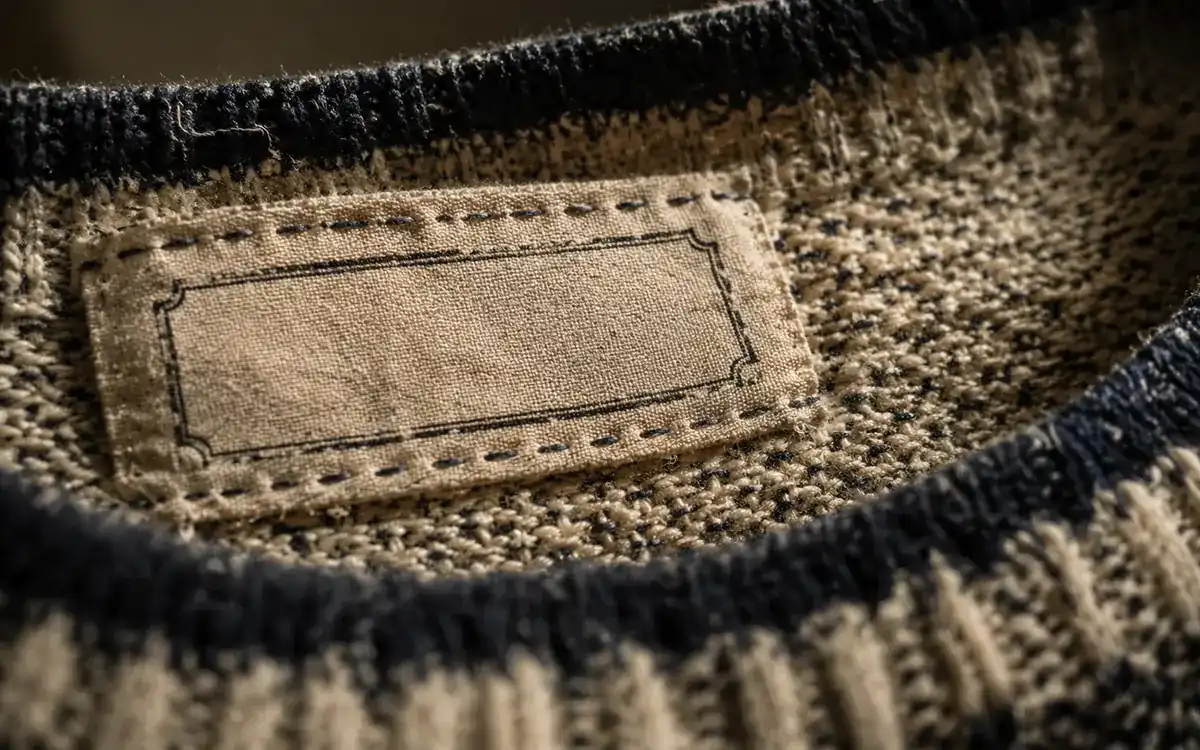
Marks & Spencer is reviving St Michael, the label that appeared inside virtually every garment it sold for half a century — and it has handed the job to Aries, a London luxury streetwear brand with an audience roughly two generations younger than M&S’s core customer.
The result is a 26-piece collection, released as part of the retailer’s centenary year.
Why St Michael still means something
For anyone who grew up in Britain before 2000, St Michael is not a fashion reference. It’s a label you saw in the back of your school jumper, your father’s socks and your grandmother’s cardigan.
Simon Marks created the sub-brand in 1928, naming it after his father, Michael Marks, who had founded the business as a Leeds penny bazaar in 1884. Initially it functioned as a quality mark, applied only to goods manufactured to M&S’s own specification. By the 1950s it had become the M&S own-brand outright, appearing across the entire range.
It was retired in 2000, during a difficult stretch for the business, and made a brief reappearance in 2021 on a men’s rugby shirt and sweatshirt. This is the first substantial revival.
Why Aries
The choice is less strange than it first looks. Aries has built its identity on a very British kind of graphic irreverence, and heritage labels are precisely the raw material that streetwear has been mining for the past decade. A quality mark stitched into millions of British garments across fifty years is, in branding terms, extraordinarily rich material.
There’s also a straightforward commercial logic. M&S’s clothing business has been rebuilt successfully around fabric quality and price, but its cultural relevance with under-35s remains its weakest point. A collaboration is the fastest available fix — and a collaboration that draws on M&S’s own archive is considerably more defensible than one that borrows someone else’s cool.
The risk
Archive revivals are easy to get wrong. Lean too hard on nostalgia and it becomes a novelty T-shirt exercise; strip out the reference entirely and there’s no reason to use the name at all. The version that tends to work sits in between — recognisable typography and colourways on garments people would buy regardless.
Whether the 26 pieces land there is the thing to judge when they arrive.
The bigger picture
This sits alongside M&S’s first appearance on the official London Fashion Week schedule, a see-now-buy-now show currently listed for 18 September. Taken together, the centenary year is being used to make a fairly specific argument: that M&S is a fashion business with a hundred-year archive, not just a shop that happens to sell clothes.
It’s a reasonable argument. The clothes will decide whether anyone accepts it.